Journal · 28/07/2026
How does investing in a cask work?
A Scotch cask is a physical, wasting, illiquid asset. Ownership can be rewarding, but only when title, warehouse control, costs and an exit are independently verified.
Central premise
Buying a cask means buying a specific parcel of maturing spirit held under bond in an approved Scottish warehouse. The investment thesis is that maturation, scarcity and future demand may increase its sale value faster than evaporation and every associated cost reduce it.
There is no guaranteed return, daily market price or automatic buyer. The Scotch Whisky Association warns that cask values rise and fall with supply and demand, while the FCA treats whisky exposure inside some unregulated collective schemes as speculative and potentially capable of losing all invested money. This article is general information, not financial advice.
What is purchased
One identified cask, not a future bottle price.
A credible offer identifies spirit type, producing distillery, distillation year, cask number, cask type, current bulk volume, alcoholic strength, warehouse and warehousekeeper. Brand-name usage may be restricted even when the spirit genuinely came from that distillery.
The cask continues to lose liquid and may lose strength. It must remain in an HMRC-approved warehouse in Scotland while it matures as Scotch, and it cannot simply be collected and stored at home.
Ownership
A certificate alone is not enough.
The contract of sale should describe the exact asset and all charges. More importantly, the warehousekeeper should acknowledge the transfer and record the buyer as owner using the documentation that warehouse requires.
If ownership is not recognised at warehouse level, the buyer may have only a claim against the seller while someone else controls the cask. Make warehouse acknowledgement a condition of completion and verify it directly using independently sourced contact details.
The economics
The purchase price is only the opening cost.
Storage, insurance, regauging, samples, movement, reracking and administration can all attract fees. Roughly two per cent of contents may evaporate each year, and the cask's alcoholic strength can eventually fall below the 40% minimum required for bottled Scotch.
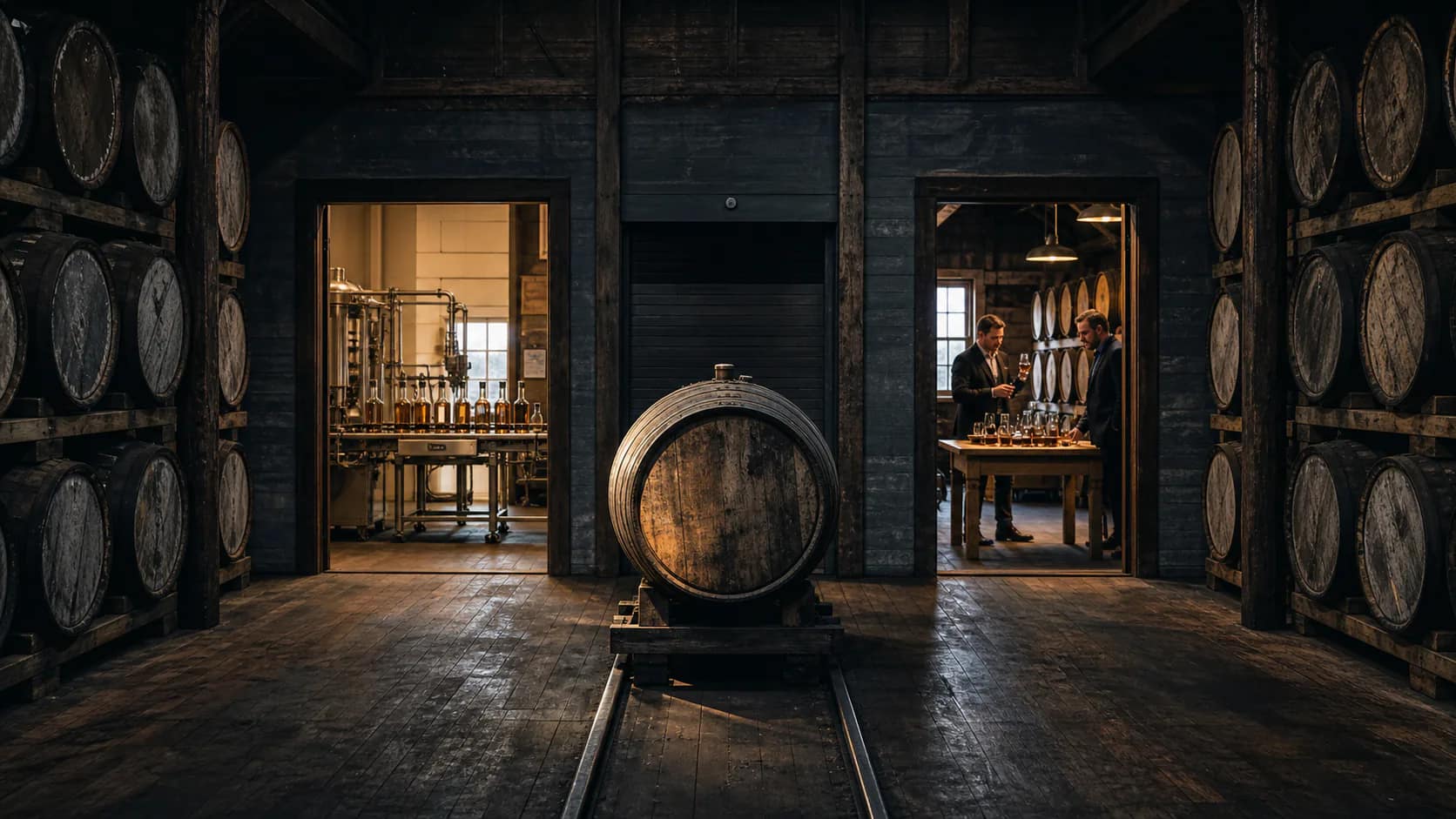
Bottling introduces glass, labels, cases, transport, compliance, excise duty and VAT. Single Malt Scotch must be bottled in Scotland, and many bottling lines are not economical for one private cask.
Liquidity
Decide who could buy before you buy.
Possible exits include selling the cask to a broker, bottler, brand owner or another private buyer, or paying to bottle it. None is guaranteed. Some contracts restrict movement, resale, bottling location, use of the distillery name or sale for anything beyond personal consumption.
Ask an established broker or auction specialist for a realistic value independent of the seller. A forecast based only on bottle retail price ignores yield, duty, bottling expense, route to market and the discount a trade buyer will require.
Before payment
Verify the chain, the cask and the company.
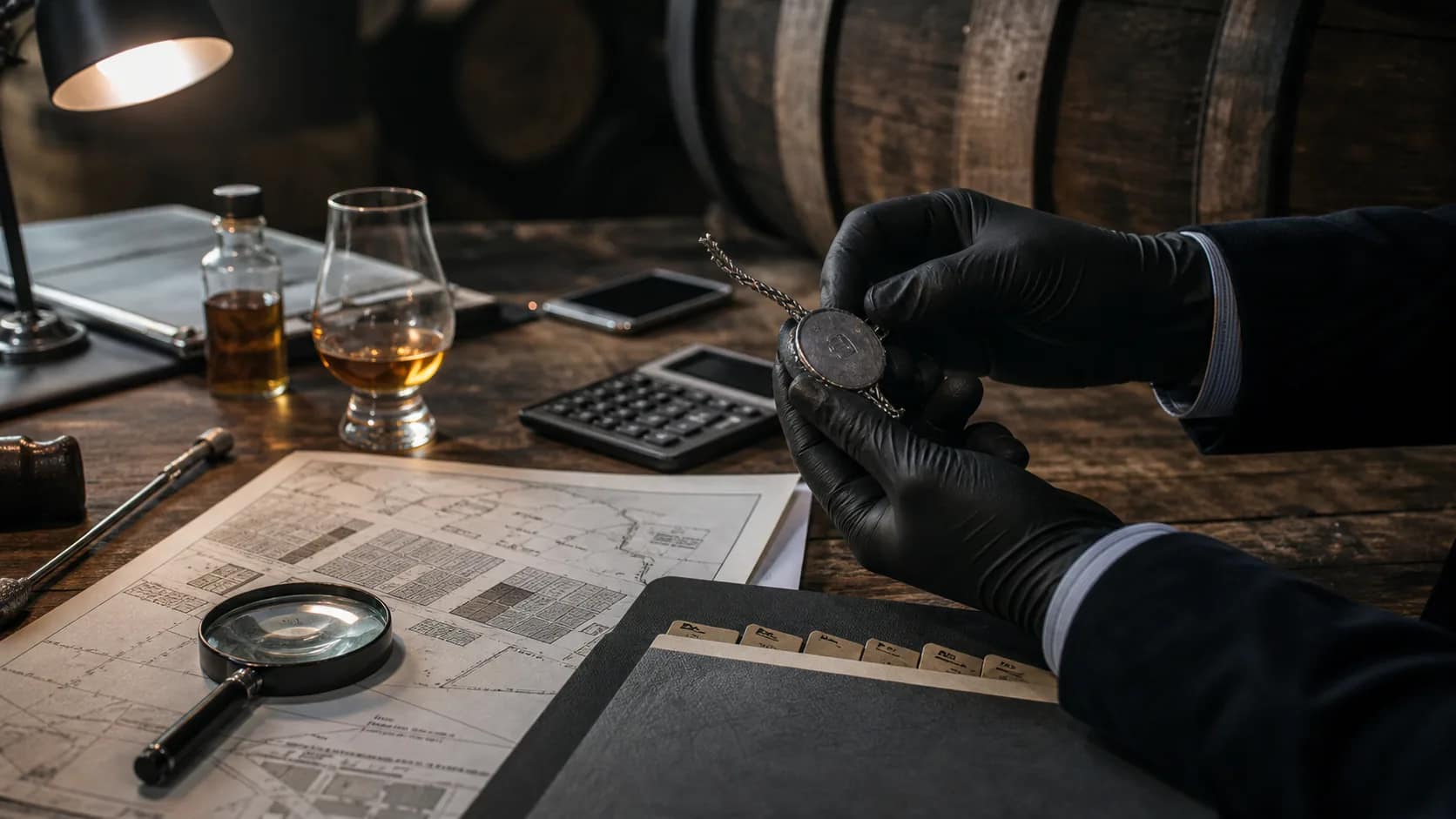
Confirm the warehouse approval, warehousekeeper, seller identity, company history, insurance and every ongoing fee. Request a recent regauge or sample where appropriate, understand whether the cask has already changed hands, and have the contract reviewed by a qualified adviser.
Check the FCA Register and Warning List when regulated services, advice or a pooled structure are claimed. An authorised firm name does not automatically protect an unregulated cask purchase, and ordinary cask ownership is not equivalent to an FSCS-protected investment.
Walk away
Guaranteed returns do not belong here.
Pressure to act immediately, fixed annual-return promises, secrecy about warehouse details, refusal to arrange direct warehouse confirmation, implausibly smooth exit promises and payment to an unrelated account are serious warnings.
The safest cask is still high risk and illiquid. Treat personal enjoyment and the possibility of a unique bottling as potential benefits; treat financial appreciation as uncertain.