Journal · 28/07/2026
Is Blue Label worth its price?
Johnnie Walker Blue Label is an accomplished luxury blend. Whether it is good value depends on whether the buyer wants flavour, ceremony, recognition or all three.
Central premise
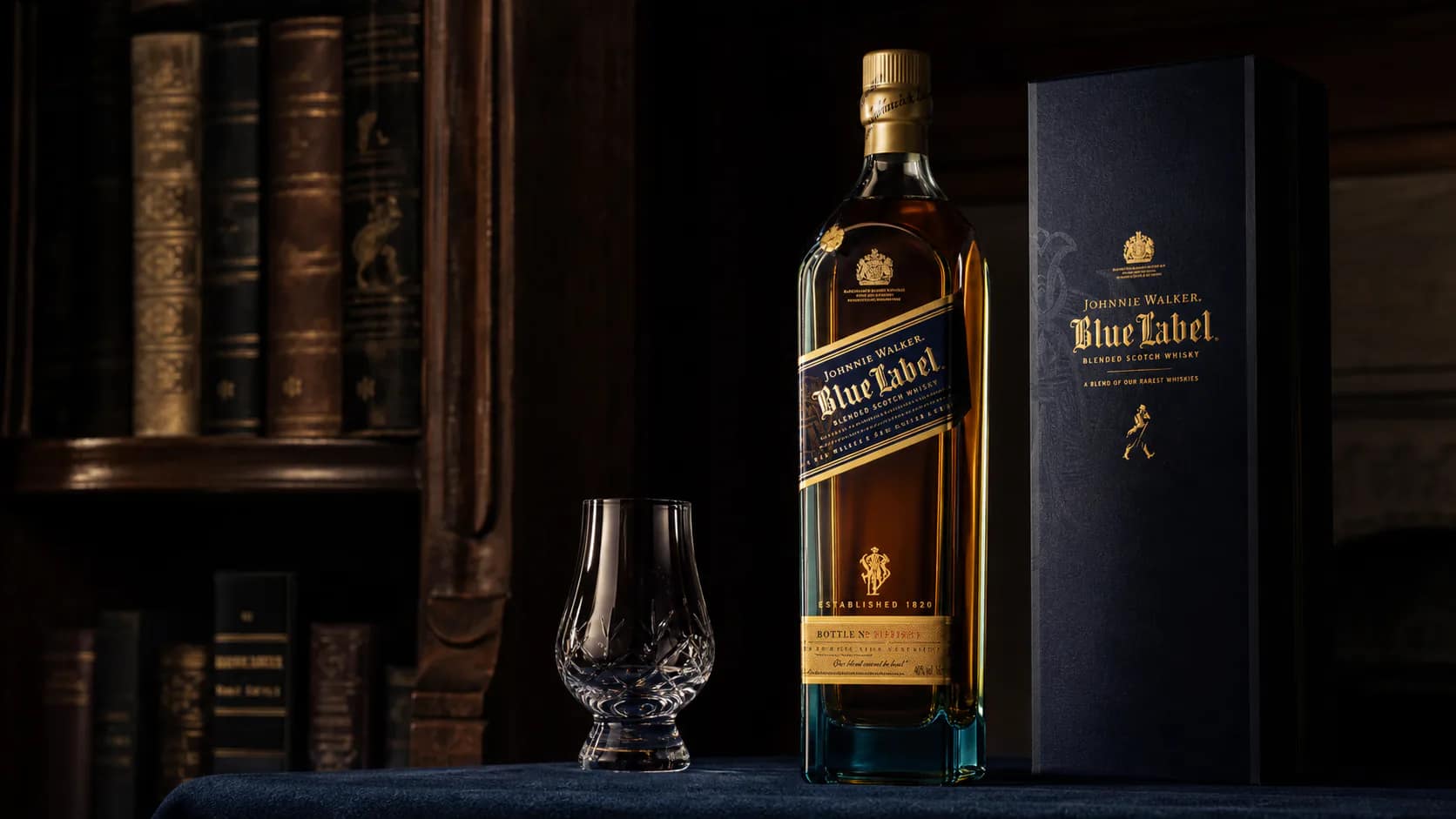
The short answer is conditional. Standard Johnnie Walker Blue Label is a polished, carefully composed blended Scotch with an unusually recognisable place in the luxury market. It can be worth its price as a gift, a celebration or a reliably smooth shared bottle. It is much harder to defend when the only measure is flavour per pound.
That distinction matters because the price buys more than liquid. It also buys presentation, familiarity, blending consistency and the confidence that most recipients will understand the gesture.
The bottle
A luxury blend, not an old single malt.
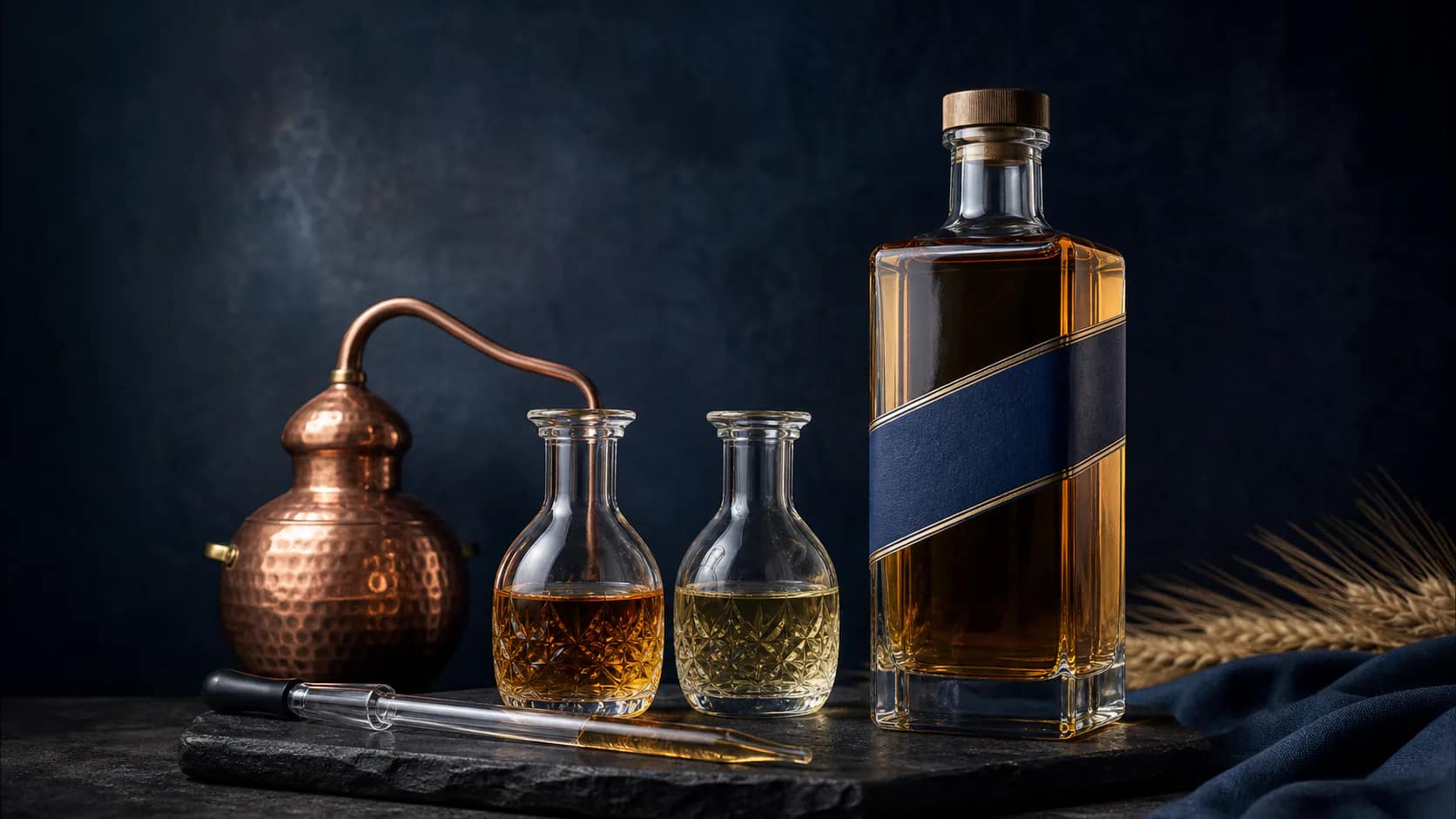
Blue Label is a no-age-statement Blended Scotch Whisky bottled at 40% ABV. Malt and grain whiskies are assembled to a house profile rather than to express one distillery, one cask or one declared minimum age.
The producer describes an exacting cask-selection process and access to rare stocks, including parcels from closed distilleries. The complete recipe and component ages are not published, so the buyer is placing trust in the blending team rather than buying a transparent technical specification.
The experience
Polish is the point.
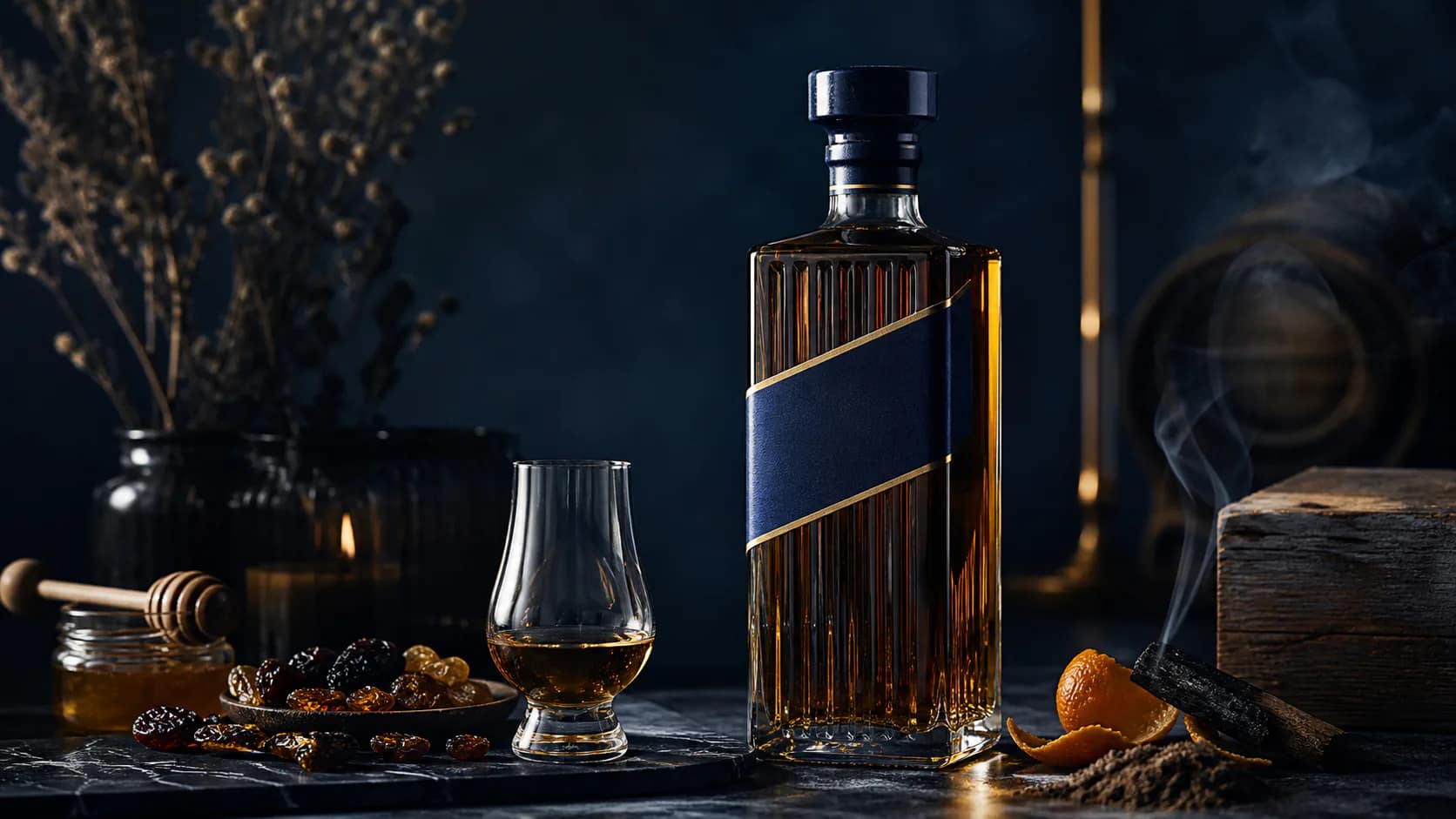
Across producer notes and established reviews, the profile is remarkably consistent: dried fruit and citrus, honeyed sweetness, soft spice, chocolate, polished oak and a controlled thread of smoke. Texture and balance matter more here than aggressive peat, high strength or a sharply individual distillery signature.
The supplied market report records a 97-point Whisky Advocate review and strong broad community approval, while enthusiast-led ratings are more restrained. That split is plausible: Blue Label is built to be seamless and widely agreeable, whereas many enthusiasts prize intensity, disclosure and singular character.
The price
Its strongest rival is the specification sheet.
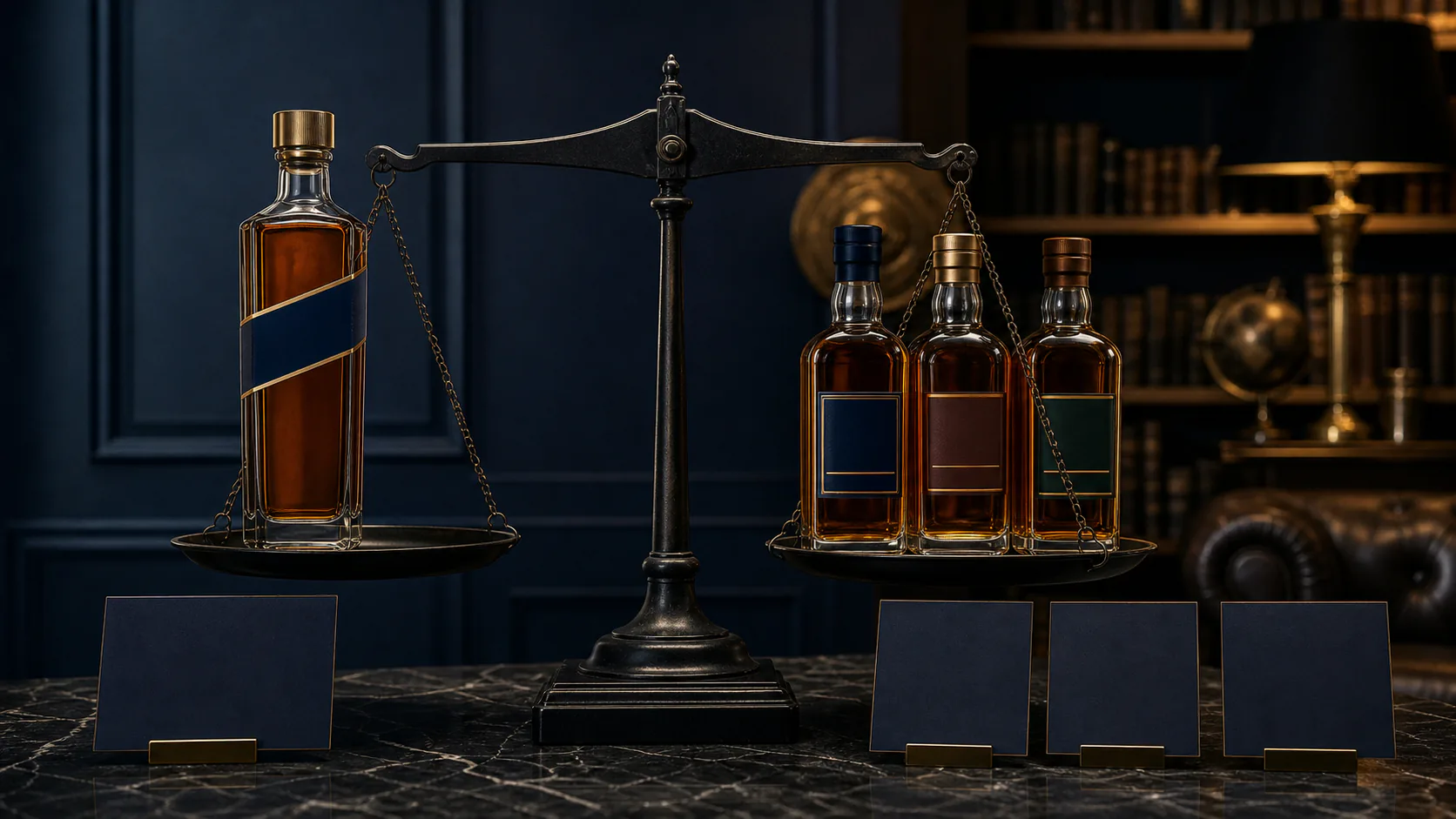
At full luxury-retail pricing, Blue Label competes with age-stated single malts, older blends and higher-strength releases. Those alternatives may disclose more about maturation and can offer a more distinctive sensory experience.
Prices vary dramatically by country, tax, bottle size, retailer and promotion, so a single permanent value score would be misleading. The lower the purchase price, the easier Blue Label is to justify; at the top of its street-price range, a large part of the spend is clearly attached to brand and occasion.
The buyer
Four buyers, four different answers.
For a gift buyer, the answer is often yes: the name, bottle and presentation communicate generosity without requiring the recipient to know a distillery catalogue. For a casual drinker seeking an elegant bottle for a gathering, it can also make sense at a genuine discount.
For an enthusiast optimising flavour per pound, the answer is usually no at full price. For a collector, the standard continuously available bottle is also weak: limited Blue Label editions may become collectable, but the ordinary release should not be confused with them.
The secondary market
Luxury retail is not investment value.
The supplied report found repeated UK auction hammer prices for standard Blue Label well below normal retail levels. Once auction premiums, shipping and condition are considered, that is a clear warning against buying the standard bottle for appreciation.
The resale evidence does not make the whisky worse. It simply shows that availability and gifting prestige support the shop price more strongly than scarcity supports the auction price.