Journal · 28/07/2026
The 7 Levels of Scotch
A more expensive Scotch does not automatically taste better: as prices rise, flavour is joined by time, scarcity, packaging, reputation and collectability.

Central premise
A more expensive Scotch does not automatically taste better. As prices rise, the buyer increasingly pays not only for flavour, but also for maturation time, evaporation losses, scarcity, packaging, reputation, collectability and marketing.
Level 1
Entry-level blended Scotch
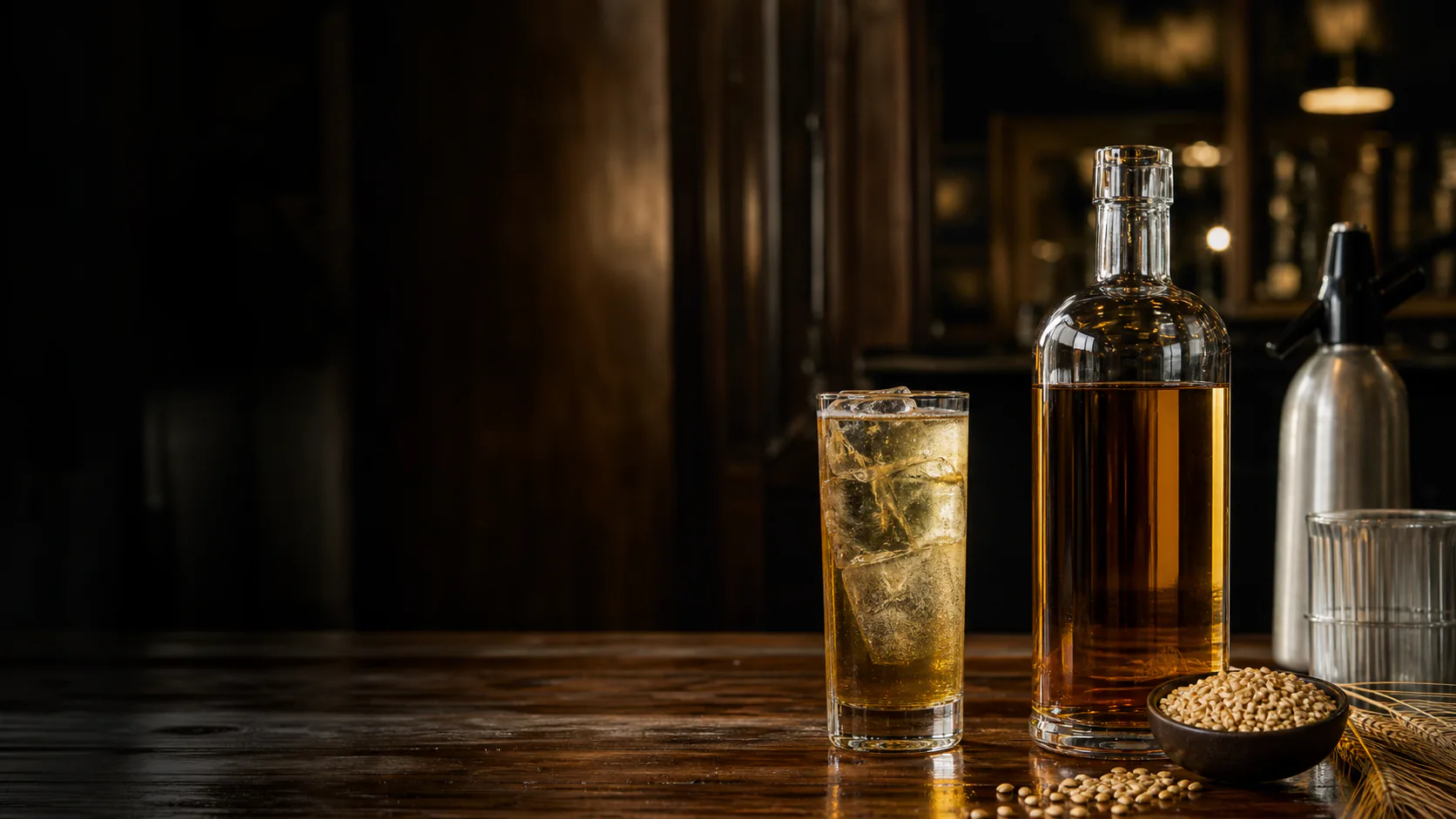
The first level consists of widely available blends designed primarily for consistency, accessibility and mixing. They combine malt and grain whiskies and are often best understood in a highball or mixed drink rather than judged as complex sipping whiskies.
Examples associated with this level include Johnnie Walker Red Label, The Famous Grouse, Cutty Sark and J&B.
Level 2
Premium blended Scotch
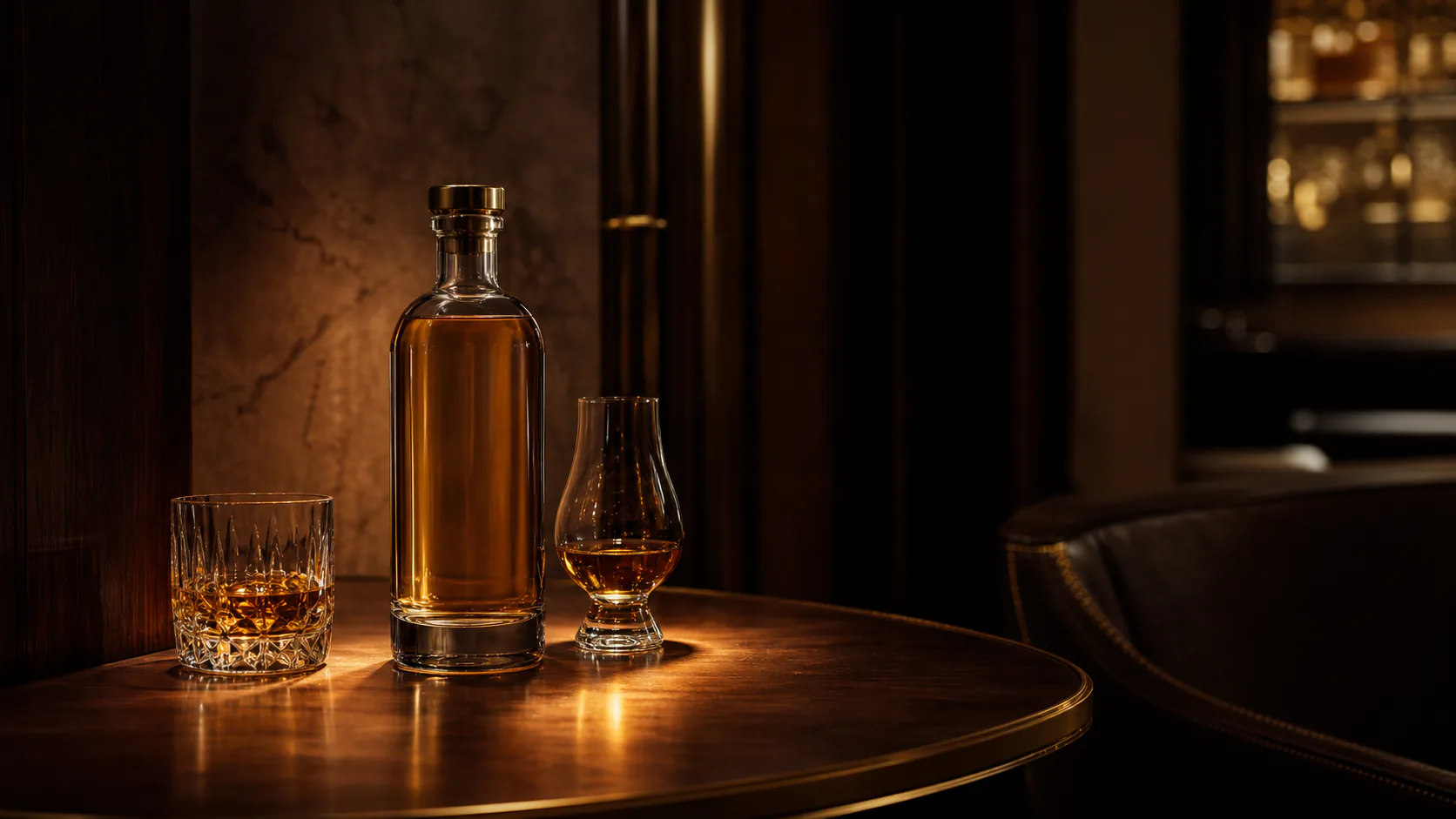
Premium blends generally contain a stronger or more carefully selected malt component, with a softer and rounder profile than entry-level blends. Age statements become more common, and the whiskies are intended to work both neat and in mixed serves.
Examples include Johnnie Walker Black Label, Chivas Regal 12, Dewar’s 12 and Monkey Shoulder.
Level 3
Accessible single malts
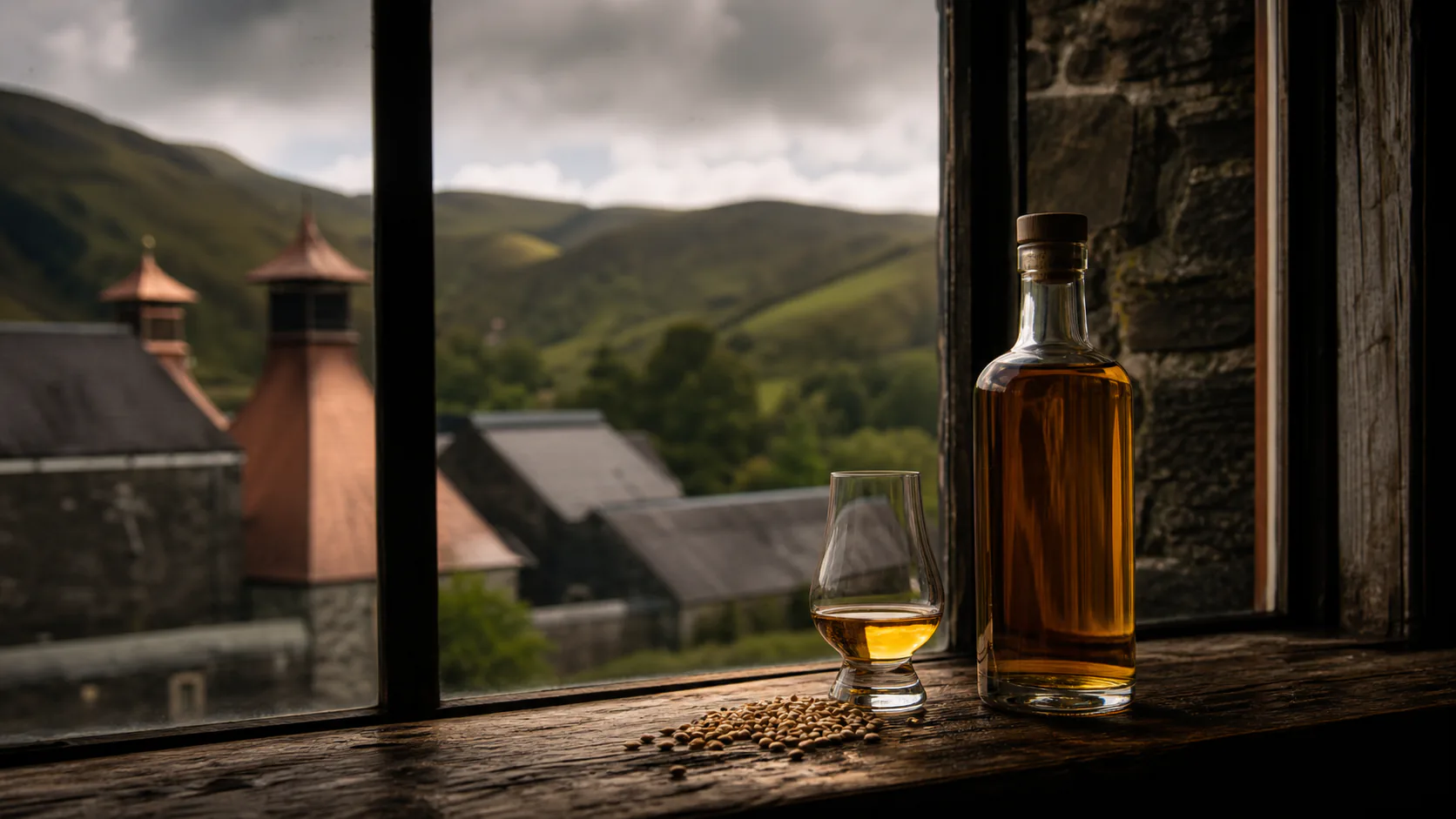
At this level, the drinker moves from blends to the identity of an individual distillery. The focus shifts towards house character, production style and the influence of a particular place.
Familiar twelve-year-old expressions such as Glenfiddich, Glenlivet, Glenmorangie and Old Pulteney are presented as important reference points rather than merely beginner bottles.
Level 4
Regional and stylistic exploration
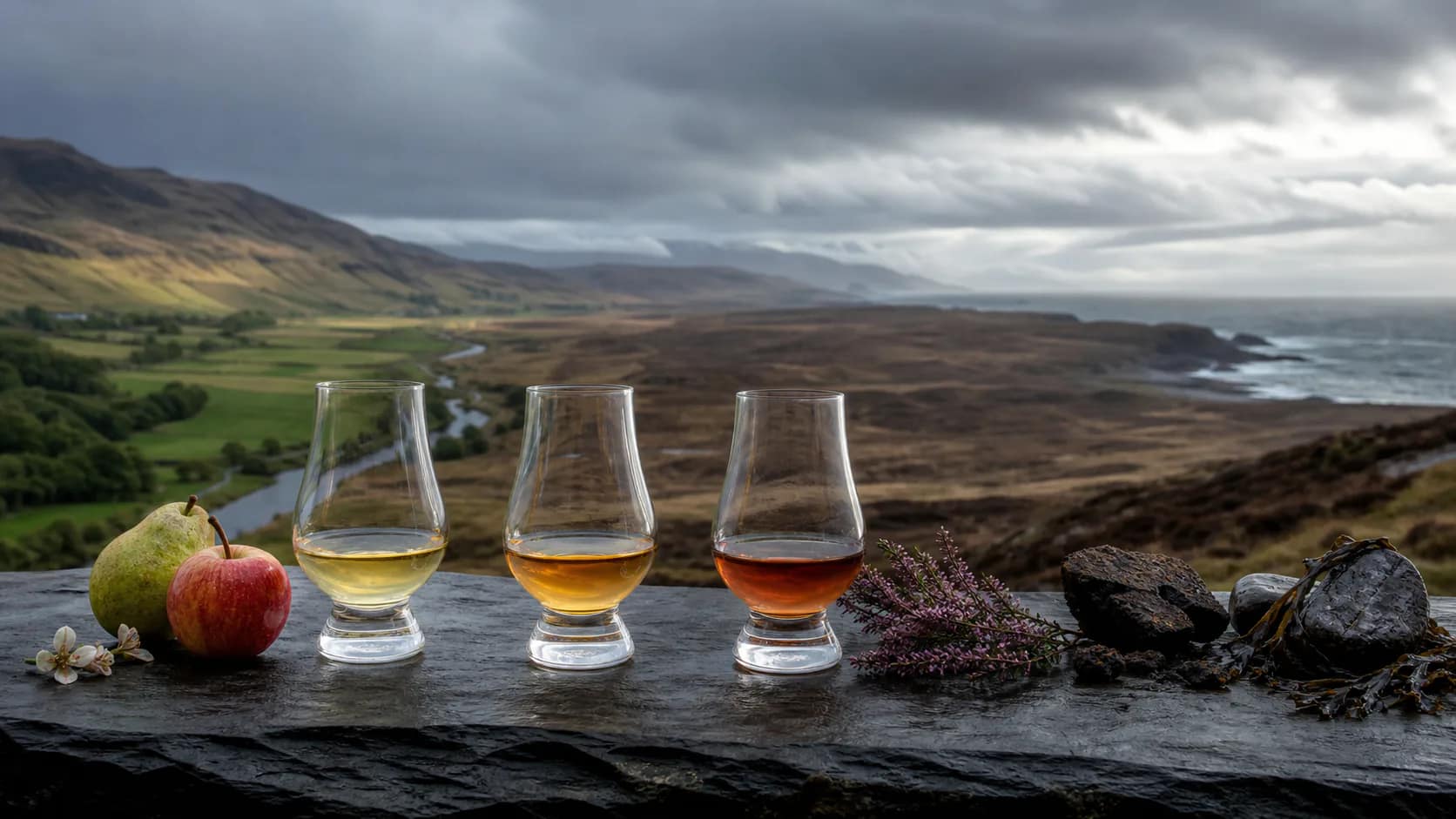
The fourth level is about discovering personal taste through contrasting Scotch styles. The video’s framework moves from lighter, fruit-led Speyside expressions to broader Highland profiles and the smoky, maritime or medicinal character commonly associated with Islay.
This is the stage at which preference becomes more individual: whiskies such as Ardbeg, Laphroaig, Lagavulin and Kilchoman can be compelling to one drinker and overpowering to another.
Level 5
Older whisky
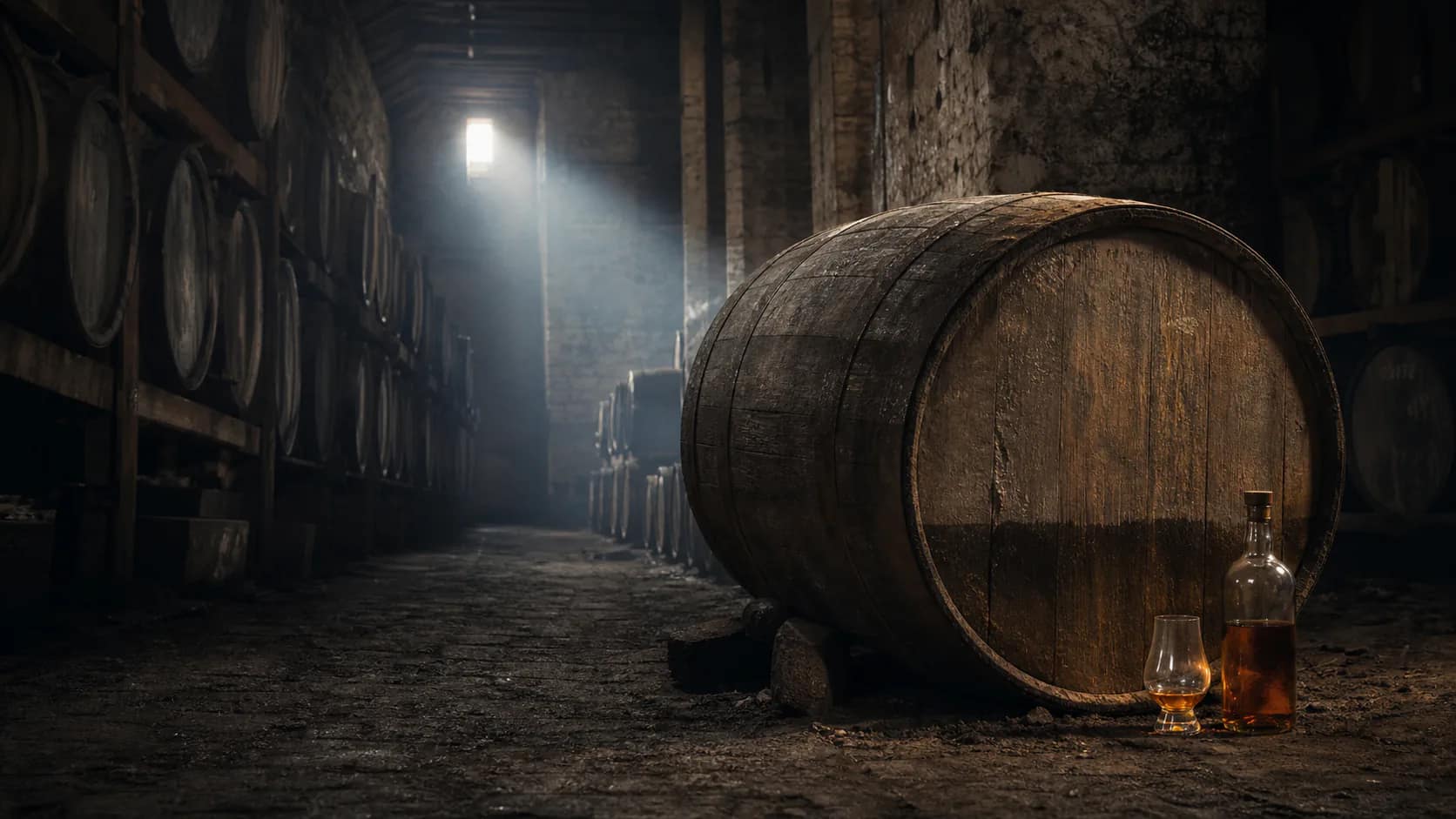
Expressions aged eighteen years and above introduce the economic effect of time. Longer maturation means more spirit is lost through evaporation, while the remaining stock becomes scarcer and more expensive to maintain.
The video’s argument is that the sensory improvement may be subtler than the increase in price. A well-made younger whisky can sometimes offer more obvious character or better value than a significantly older bottle.
Level 6
Cask-strength and limited releases
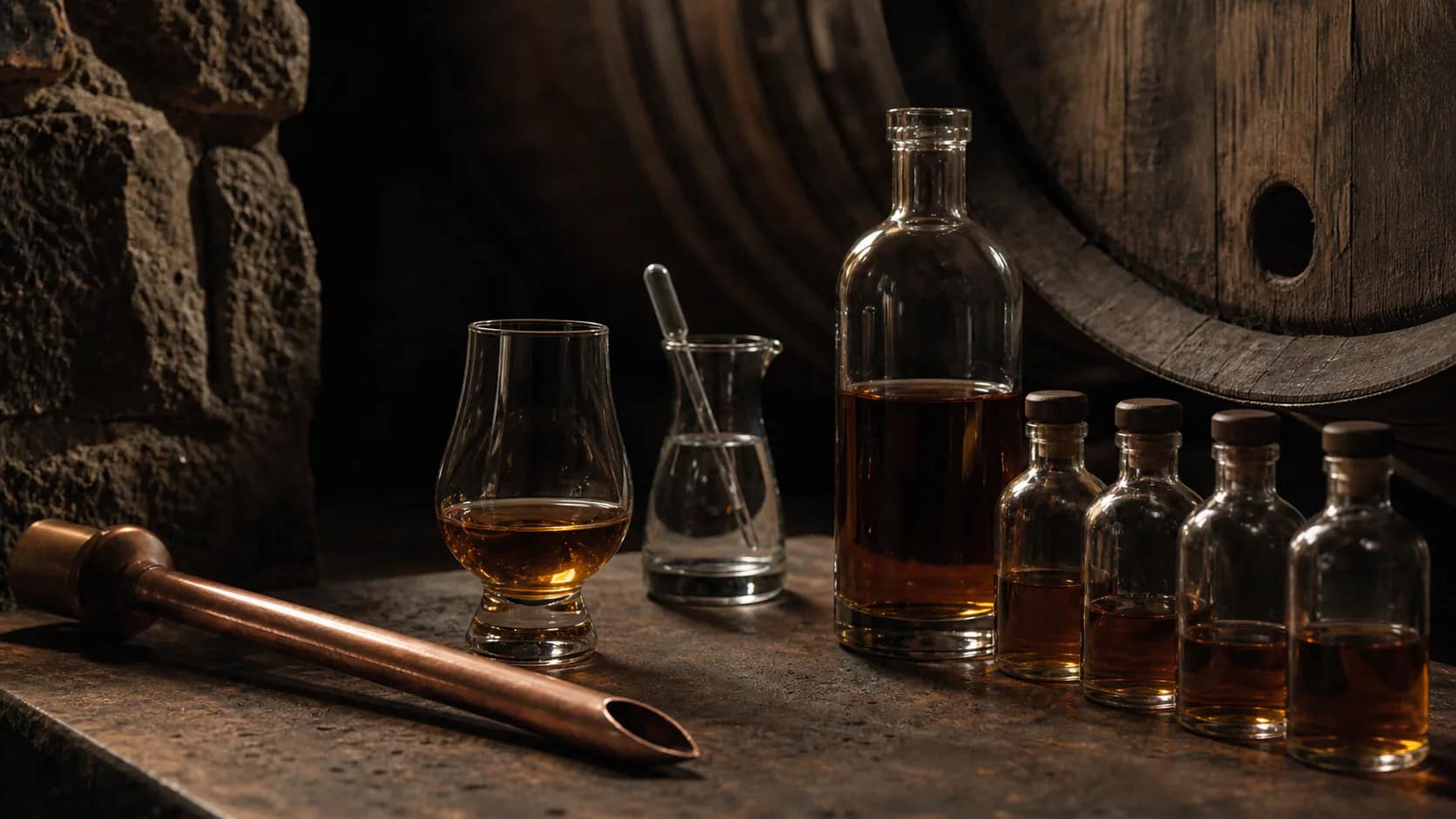
Cask-strength whiskies offer greater intensity, concentration and control, allowing the drinker to add water according to preference. They can provide considerable depth, but often require more experience and careful tasting.
Limited editions also begin to appear prominently at this level, although rarity and special packaging should not automatically be mistaken for superior liquid.
Level 7
Collectable Scotch
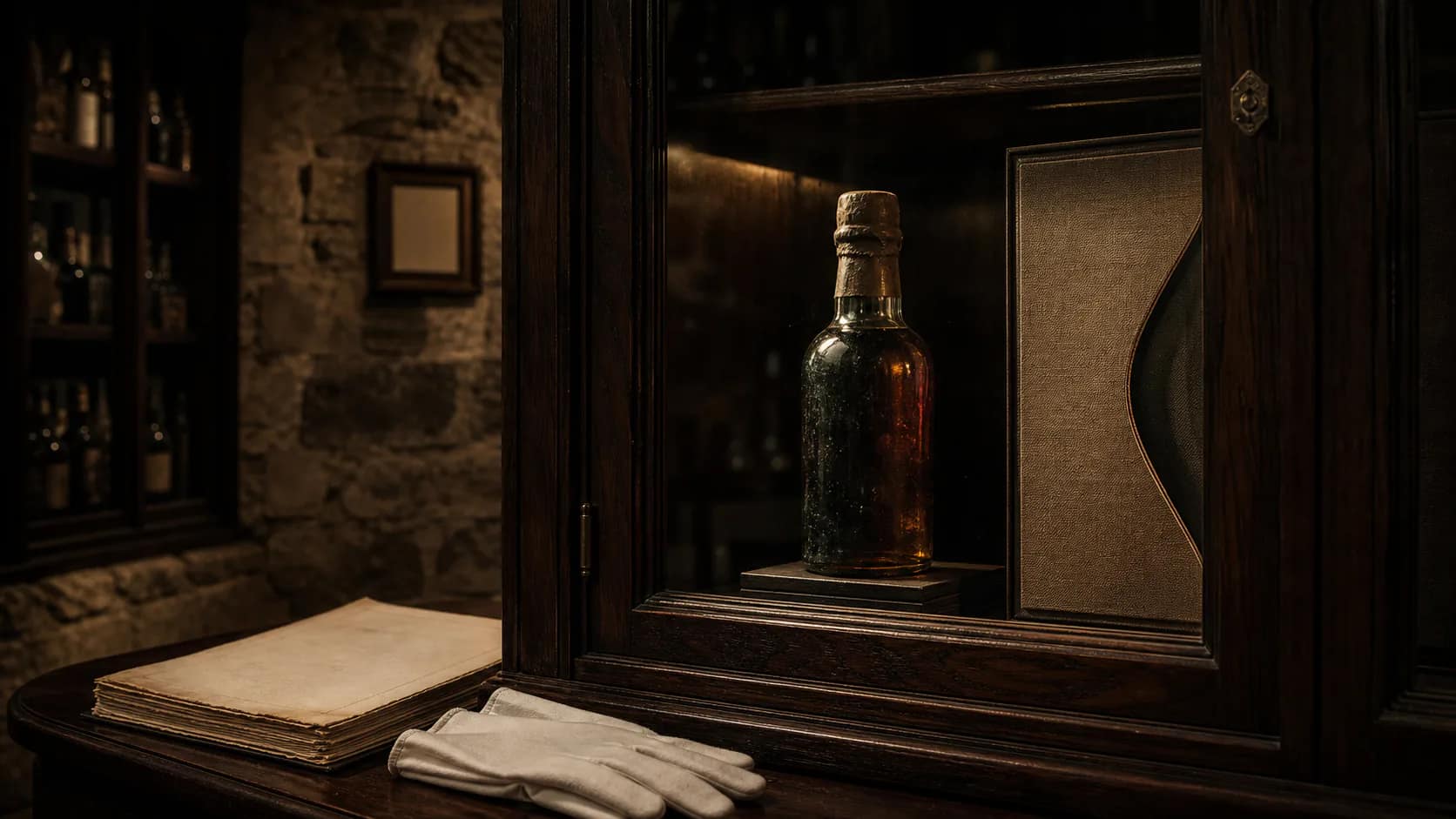
The final level comprises rare releases, discontinued editions, very old bottlings and whisky from closed distilleries. Price is increasingly influenced by provenance, scarcity, historical significance, investment demand and status rather than by drinking quality alone.
Many bottles at this level remain unopened and function as collectables, assets or historical objects as much as beverages.