Journal · 28/07/2026
What the heck is Kirkland?
A private label, an independent bottler and a deliberately undisclosed distillery: how to read Kirkland Signature Scotch without relying on rumours.
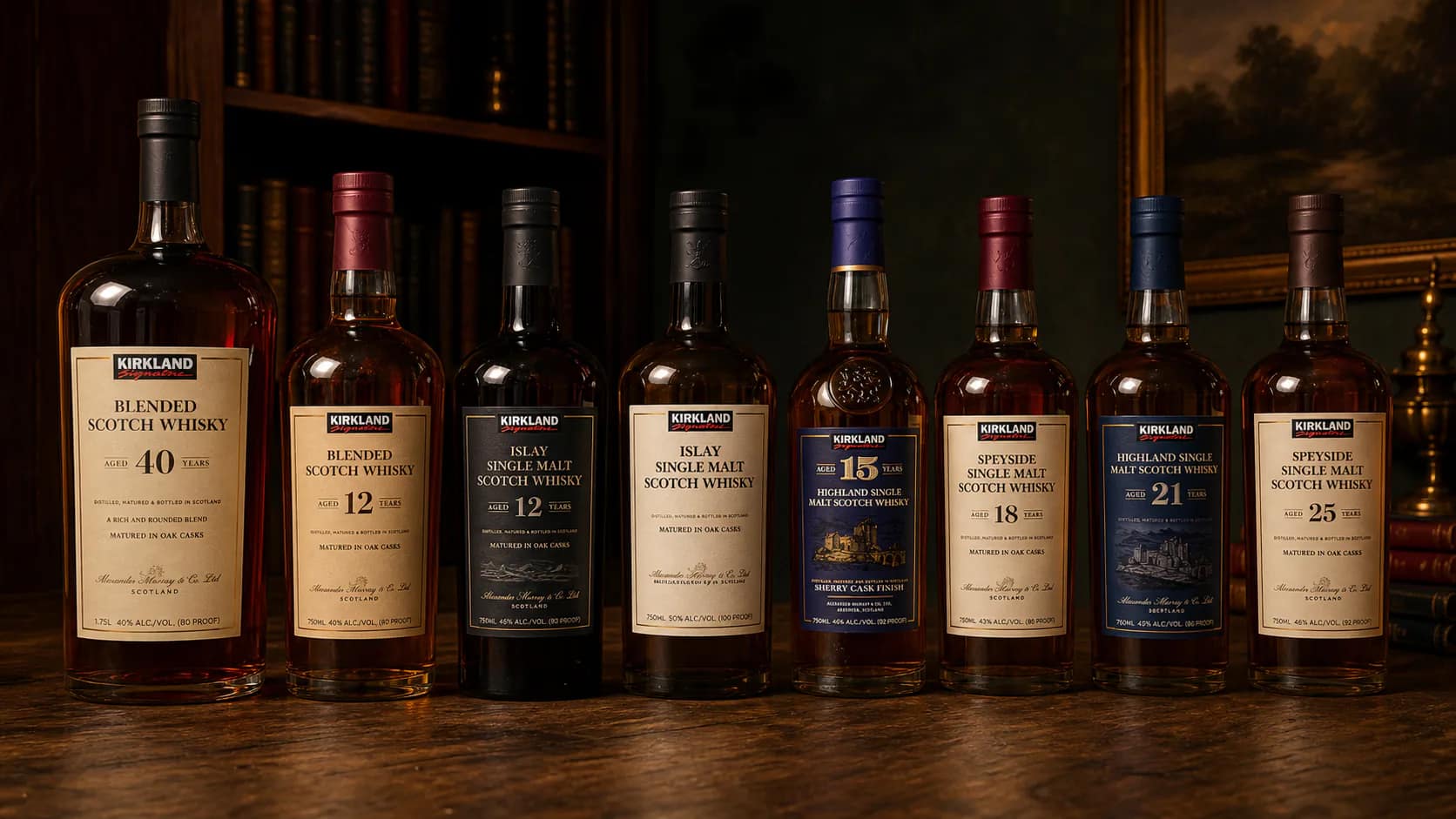
Central premise
Kirkland Signature is Costco’s house brand, not a Scottish distillery. The name on the front identifies the retailer’s label; the smaller print identifies the company that has sourced, assembled and bottled the whisky.
That distinction explains both the appeal and the mystery. Kirkland Scotch can offer unusual age statements or regional single malts at aggressive prices, yet the originating distillery often remains confidential.
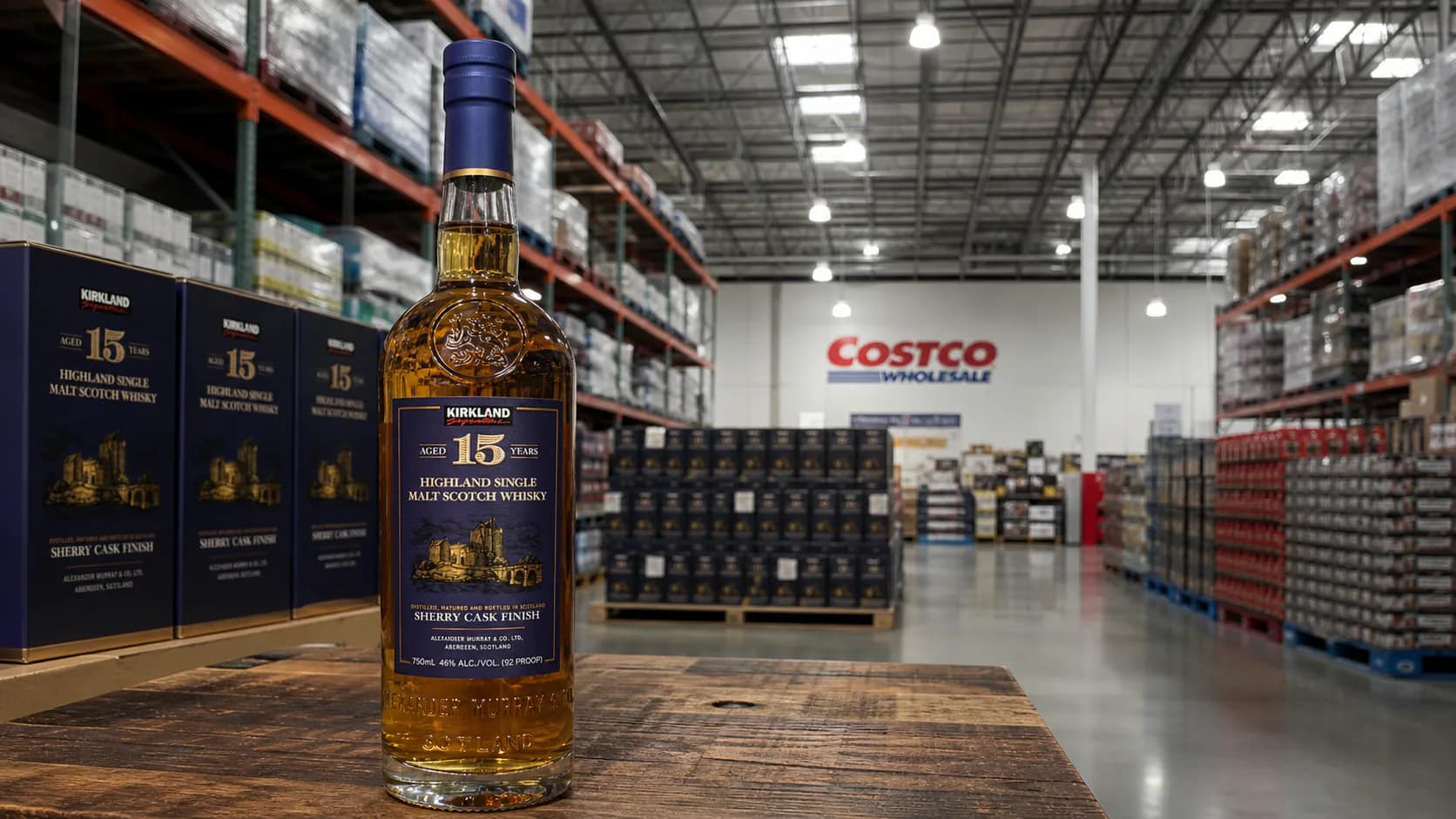
The short answer
A retailer’s label, genuine Scotch.
Kirkland Signature is the proprietary brand of Costco Wholesale. The Scotch in the bottle must still satisfy the same legal category, maturation and labelling rules as any other Scotch whisky; the private label does not create a lesser legal class.
The collection’s Islay Single Malt and 15 Year Highland Single Malt both name Alexander Murray & Co. on their labels. Alexander Murray is an independent bottler and merchant that sources whisky from Scottish producers for retailer and proprietary releases.
The mystery
Why is the distillery not named?
Supply agreements often allow the bottler to state a protected region—such as Islay or Speyside—without disclosing the producing distillery. The omission may protect the supplier’s own brand, preserve flexibility between batches, or simply reflect the terms on which the casks were sold.
A confident internet guess is still only a guess. Flavour resemblance, bottle codes and packaging clues can be interesting, but they do not become provenance unless the producer or bottler confirms them.
Read the evidence
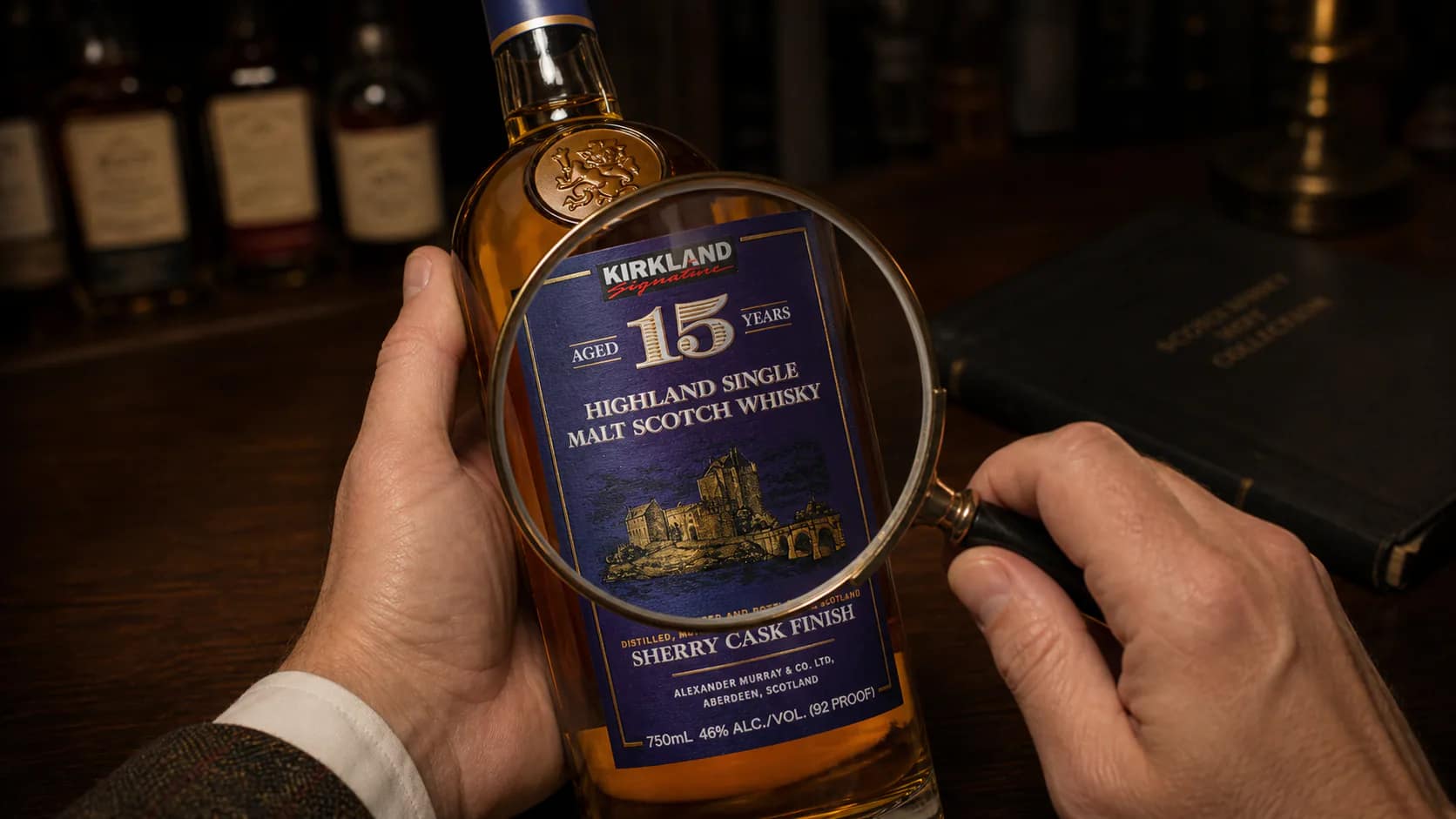
What the label can actually prove.
Single Malt Scotch Whisky means malt whisky produced at one Scottish distillery. An age statement gives the age of the youngest whisky in the bottle. A regional designation narrows the geographical origin, while the alcoholic strength and any declared cask finish describe other useful parts of the release.
Those facts are more dependable than the missing distillery name. Read the category first, then region, age, strength, maturation language and bottler.
A changing range
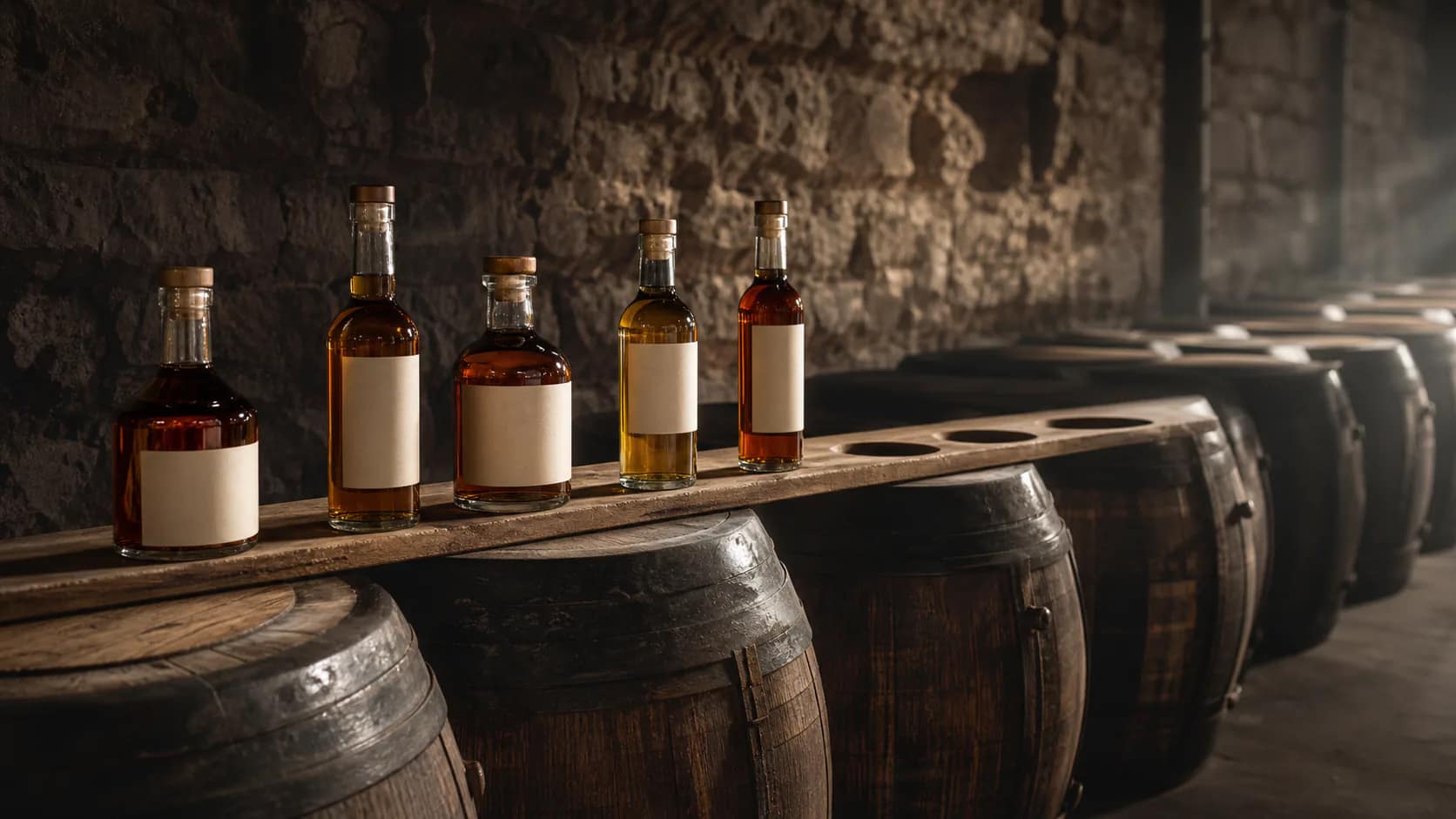
Why one year rarely resembles the next.
Large retailers require meaningful volume, but parcels of mature single malt are finite. Alexander Murray has explained that older Speyside releases at different ages have come from different distilleries because one producer did not always have enough suitable stock for the required bottling run.
That is why Kirkland’s Scotch catalogue behaves more like a sequence of negotiated parcels than a permanent distillery core range. A 20-, 22- or 23-year expression should be assessed as its own release, not assumed to be the same liquid with another birthday.
The practical rule
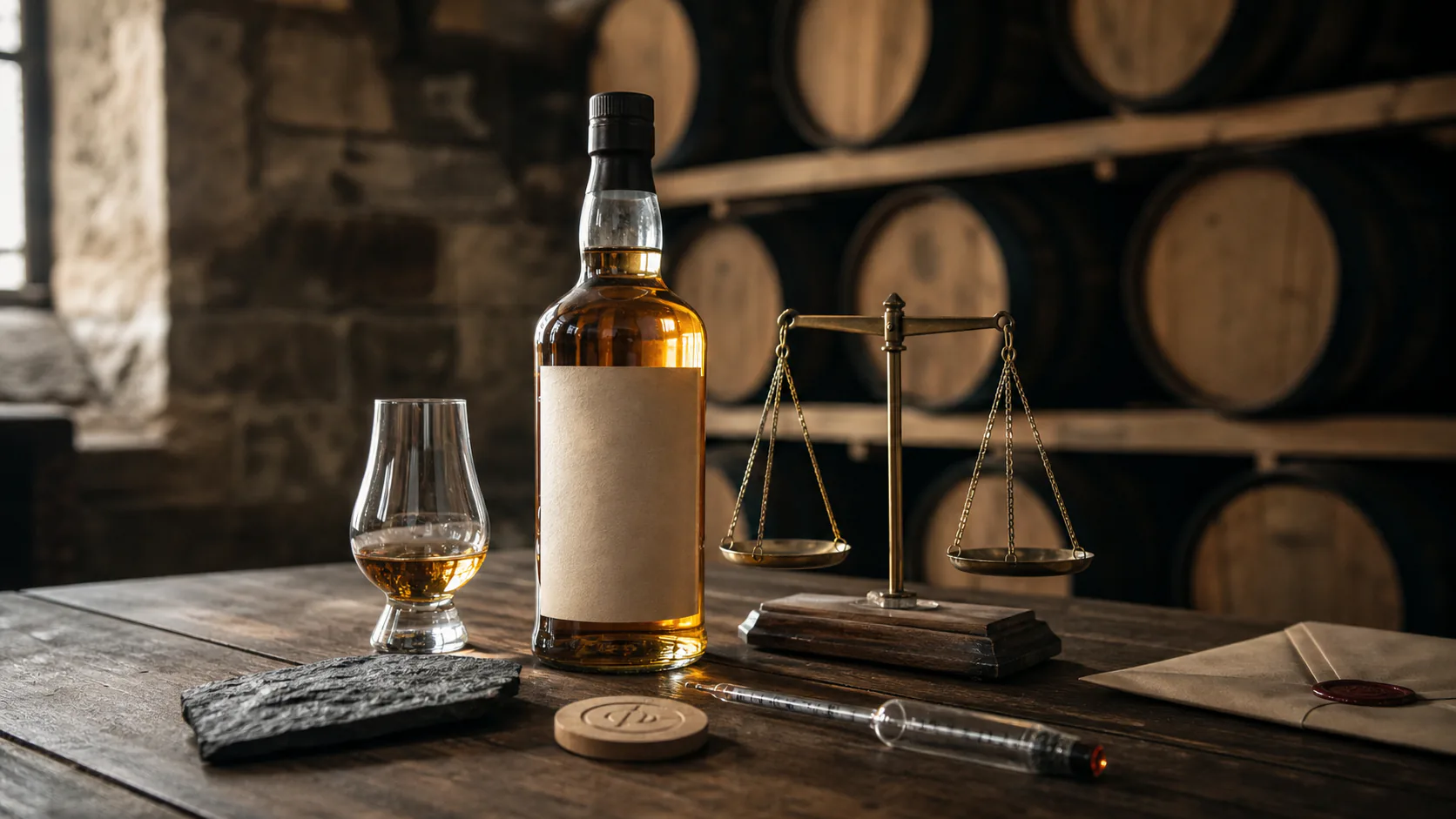
Buy the bottle, not the rumour.
Kirkland can be compelling when age, strength and style are expensive elsewhere, but value is not the same thing as guaranteed greatness. Judge the whisky in the glass and compare it with alternatives at the same price.
The sensible question is not “Which famous bottle is this secretly?” It is “Do the stated category, region, age, strength and flavour make this particular release worth keeping or drinking?”